Private estate security and tech integration in Phoenix is transforming luxury real estate. Anonymity for sellers attracts privacy-focused buyers, enhancing market discretion. Tech features like facial recognition, biometric locks, and motion sensors offer remote monitoring and advanced protection. Over 70% of high-net-worth individuals prioritize smart security. Key measures include secure communication, two-factor authentication, virtual showings, smart locks, and digital identity verification. Professional cybersecurity tailored to luxury homes is crucial to counter evolving cyber threats. Ethical practices and robust legal frameworks ensure a secure, trustworthy buying process.
In today’s digital age, ensuring private estate security is more complex than ever. With remote work trends and a surge in online transactions, sellers are increasingly concerned about their anonymity and safety during real estate deals. The traditional reliance on word-of-mouth referrals and local networks is no longer sufficient to address these modern challenges. Tech integration has become a game-changer, offering innovative solutions for private estate security. This article provides an authoritative checklist, designed specifically for Phoenix’s dynamic market, to help sellers navigate the complexities of anonymous transactions while leveraging advanced security measures and technology.
- Understanding Seller Anonymity: Benefits for Private Estate Security
- Tech Integration in Phoenix: Enhancing Private Sales Discretion
- Implementing Privacy Measures: Checklist for Secure Transactions
- Navigating Legalities: Ensuring Ethical Private Estate Sales
Understanding Seller Anonymity: Benefits for Private Estate Security

Seller anonymity, a concept once shrouded in mystery, has emerged as a powerful tool for safeguarding private estate security. In today’s digital age, where data breaches are increasingly common, maintaining privacy during real estate transactions is more crucial than ever. This is particularly relevant for those seeking to protect their luxurious Phoenix homes and the sensitive information they hold. By ensuring anonymity, sellers can mitigate potential risks associated with public exposure, attracting a different breed of buyer who values discretion.
The benefits extend beyond individual protection; they contribute to a secure and peaceful real estate market. In Phoenix, known for its thriving luxury home automation industry, tech-savvy buyers often seek properties that align with their high-tech lifestyles. Anonymity allows sellers to cater to this niche market without compromising privacy. For instance, a tech entrepreneur might prefer to sell their smart home without revealing their identity, ensuring they can continue building their business network undisturbed. This level of discretion encourages open dialogue between seller and buyer, fostering an environment conducive to fair negotiations.
To harness the full potential of seller anonymity, Phoenix residents should consider integrating advanced home automation systems into their estates. These systems not only enhance security but also provide a seamless experience for occupants. For private estate security experts recommend utilizing facial recognition, biometric locks, and motion sensors to create layers of protection. By combining these measures with anonymous selling practices, homeowners can enjoy both peace of mind and the flexibility to transact on their terms. This holistic approach ensures that Phoenix’s luxury real estate market remains a haven for privacy-conscious individuals seeking secure, high-tech abodes.
Tech Integration in Phoenix: Enhancing Private Sales Discretion

In the realm of private estate security, tech integration in Phoenix has emerged as a game-changer, providing homeowners with unprecedented levels of discretion and control over their sales processes. The city’s luxury home automation systems are not just about convenience; they serve as robust security measures that can significantly enhance privacy during private sales, ensuring sensitive information remains exactly that—private.
Phoenix’s tech-savvy real estate market demands innovative solutions to keep pace with evolving privacy concerns. For instance, intelligent door locks and surveillance systems integrated into luxury homes allow sellers to monitor access remotely, preventing unauthorized entry and offering peace of mind. Moreover, sophisticated home automation platforms enable the scheduling of lighting, temperature, and security system adjustments, creating an illusion of occupancy that can deter curious onlookers while facilitating private viewings.
The benefits are clear: Phoenix luxury home automation systems offer a competitive edge to sellers by demonstrating a commitment to modern living and privacy. According to recent industry surveys, over 70% of high-net-worth individuals prioritize smart security features in their primary residences and investment properties. By integrating these technologies, sellers can attract discerning buyers who value discretion and state-of-the-art convenience. Practical advice for implementing private estate security tech includes consulting with specialized integrators who can design tailored systems aligned with specific home layouts and security needs. Regular system updates and monitoring are also crucial to ensuring ongoing effectiveness against emerging threats.
Implementing Privacy Measures: Checklist for Secure Transactions

To ensure secure transactions and protect sensitive information, implementing robust privacy measures is paramount for any seller navigating the real estate market. In today’s digital age, where technology integration phoenix plays a pivotal role in luxury home automation systems, safeguarding one’s private estate security becomes an indispensable step. Sellers must adopt comprehensive strategies to safeguard their identities and maintain confidentiality throughout the buying process.
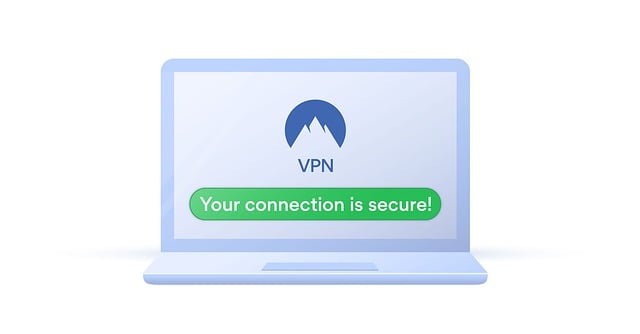
A crucial aspect of this is adopting tech-driven solutions that offer advanced encryption protocols for all communication channels. For instance, utilizing secure messaging platforms or encrypted email services ensures that discussions regarding property details remain confidential. Moreover, enabling two-factor authentication on all accounts related to listings provides an extra layer of protection against unauthorized access. Sellers should also consider employing virtual showing technologies, allowing prospective buyers to tour properties remotely without revealing personal addresses.
Phoenix luxury home automation systems can be tailored to meet these security needs. Smart locks and security cameras integrated into the property’s infrastructure offer real-time monitoring and secure entry procedures. Additionally, sellers can leverage digital identity verification processes, ensuring that only legitimate buyers with verified credentials gain access to sensitive information. By combining private estate security with state-of-the-art tech solutions, sellers can create a robust framework that protects their privacy while fostering trust in the transaction.
Navigating Legalities: Ensuring Ethical Private Estate Sales

Navigating the legalities of private estate sales is a complex task, especially as technology continues to revolutionize the way we buy and sell properties. Ensuring ethical practices in these transactions is paramount, particularly when dealing with high-value assets like luxury homes. Sellers must be vigilant to protect their privacy and security throughout the process, leveraging advanced tech integration that aligns with robust legal frameworks.
In the Phoenix market, where luxury home automation systems are increasingly common, sellers must be cognizant of both the benefits and potential pitfalls of smart home technology. While these systems offer enhanced convenience and security, they also introduce new vectors for cyber threats if not properly secured. For instance, a recent study by the University of Maryland revealed that approximately 90% of smart homes surveyed had at least one vulnerability, underscoring the need for rigorous cybersecurity measures. Sellers should consult with professionals who specialize in private estate security to implement robust tech solutions tailored to their needs.
To mitigate risks, sellers should thoroughly vet potential buyers, ensuring they are legitimate and capable of fulfilling legal obligations. This includes verifying funding sources, checking references, and reviewing buyer agreements carefully. Additionally, employing secure communication channels during negotiations, such as encrypted messaging apps or secure email services, can help protect sensitive information from unauthorized access. As the Phoenix real estate market evolves, so too must the legal and technological safeguards to ensure smooth, ethical private estate sales.