Modern home design emphasizes Street-Quiet Design Principles for urban professionals seeking tranquility in Phoenix. Key strategies include managing natural light, ventilation, and noise reduction using acoustic insulation, sound-absorbing materials, strategic window placement, double glazing, high-performance insulation, and thoughtful spa features like homes for sale with cold plunge and sauna spaces. These designs create serene indoor environments, connect residents with nature, and promote physical and mental health. Collaboration between architects, designers, and homeowners is crucial for customizing quiet spaces based on location and occupant needs, catering to the growing demand for luxury recovery areas in Phoenix's wellness scene.
In today’s fast-paced world, finding sanctuary within our homes has become increasingly vital. As we seek spaces that cater to both relaxation and rejuvenation, it’s evident that traditional design approaches often fall short in addressing modern needs. This is particularly apparent when considering the growing demand for homes for sale equipped with wellness features like cold plunge and sauna spaces—a trend reflecting a profound desire for tranquility and self-care. This article delves into the concept of Street-Quiet Design, offering innovative principles that transform ordinary abodes into peaceful retreats, where residents can naturally embrace these sought-after amenities.
- Understanding Street-Quiet Design Principles
- Benefits of Reducing Noise Pollution in Homes
- Integrating Cold Plunge and Sauna Spaces Naturally
- Best Practices for Achieving Silent Environments
- Creating Tranquil Spaces: Case Studies & Tips for Real Estate
Understanding Street-Quiet Design Principles
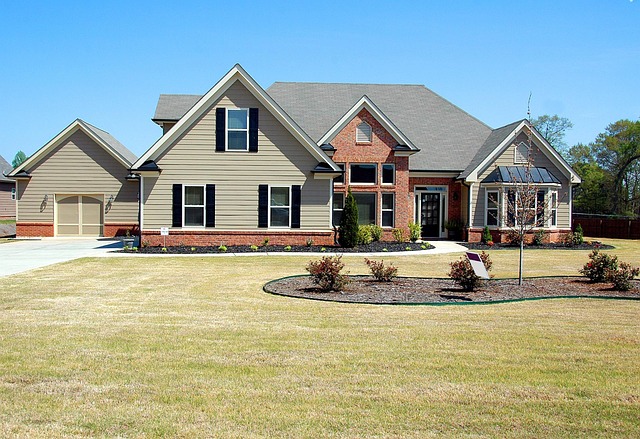
In the realm of modern home design, Street-Quiet Design Principles are emerging as a game-changer, particularly for luxury properties in urban areas like Phoenix. These principles focus on creating peaceful, serene environments within homes, blurring the boundaries between indoor and outdoor spaces to offer residents enhanced tranquility and well-being. The ultimate goal is to provide a sanctuary where one can escape the hustle and bustle of city life—a concept that resonates deeply with today’s busy professionals seeking phoenix luxury recovery and spa-like experiences at home.
Understanding Street-Quiet Design involves several key strategies. One primary approach is natural light and ventilation management. By integrating large windows, skylights, and strategic openings, homes can be bathed in soft, calming light during the day while allowing fresh air to circulate, reducing the need for artificial noise and air purification systems. This design philosophy not only minimizes indoor noise but also fosters a connection with the surrounding natural environment, creating a serene atmosphere that promotes relaxation. For instance, incorporating large picture windows in primary bedrooms can offer breathtaking views of lush landscapes or cityscapes, providing a soothing backdrop for unwinding after a long day.
Another critical aspect is acoustic insulation and sound-absorbing materials. In dense urban areas, minimizing external noise pollution is essential for creating a peaceful interior space. Professional architects and designers employ advanced soundproofing techniques and select specialized materials to dampen noise from traffic, neighboring properties, or bustling city streets. Incorporating features like double-glazed windows, acoustic wall coverings, and carpeting in high-traffic areas can significantly enhance the overall quietness of a home. This is especially relevant for homes for sale with cold plunge and sauna spaces—private oases within the residence—where silence becomes an integral part of the recovery experience. By minimizing external noise, residents can fully immerse themselves in these tranquil retreats.
In terms of practical implementation, integrating Street-Quiet Design principles requires careful planning and collaboration between architects, interior designers, and homeowners. Customization is key; each home should be tailored to its specific location and the needs of its occupants. For example, a home office or studio could benefit from acoustic curtains and strategically placed furniture to create a quiet work environment, while open-concept living areas may incorporate built-in shelving and fabric treatments to absorb sound waves. Additionally, considering the placement of bedrooms away from primary noise sources can maximize the restorative benefits for residents seeking phoenix luxury recovery.
Benefits of Reducing Noise Pollution in Homes
Reducing noise pollution within homes has emerged as a critical design principle, offering substantial benefits for both physical and mental health. In today’s urbanized world, where homes are often nestled in dense neighborhoods, minimizing exterior noise is more crucial than ever. This is particularly relevant when considering the growing demand for luxury recovery spaces, such as those found in Phoenix-area homes for sale with cold plunge and sauna facilities. These tranquil retreats require a serene atmosphere to enhance their therapeutic effects.
Excessive noise exposure can lead to various health issues, from sleep disturbances and increased stress levels to more severe conditions like hearing loss and cardiovascular problems. By implementing street-quiet design principles, architects and builders can create homes that promote peaceful living environments. This involves strategic placement of windows, double glazing, high-performance insulation, and soundproof materials to block out external noises, ensuring occupants enjoy a quieter, more balanced lifestyle. For instance, studies have shown that individuals in quieter neighborhoods tend to report higher levels of life satisfaction and better overall well-being.
Integrating noise reduction strategies into residential design is not only beneficial for current homeowners but also has a positive impact on potential buyers. Homes featuring advanced soundproofing techniques, like those often found in Phoenix luxury recovery and spa spaces, are increasingly sought after. These properties appeal to a wide range of buyers, from professionals seeking quiet home offices to families desiring peaceful living spaces. As the demand for serene retreats continues to grow, builders and designers have an opportunity to create homes that not only meet but exceed these new standards, ensuring a quieter, more peaceful future for residents across the region.
Integrating Cold Plunge and Sauna Spaces Naturally
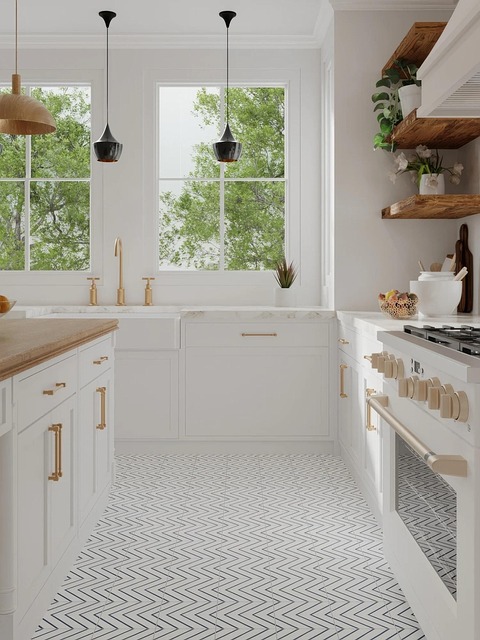
Integrating cold plunge and sauna spaces into homes for sale offers a unique blend of luxury recovery and spa features that are gaining popularity, especially in cities like Phoenix where extreme heat demands innovative cooling solutions. These natural amenities, when designed thoughtfully, can enhance overall well-being and provide a serene retreat within one’s residence. For instance, consider a modern home nestled amidst lush greenery featuring an indoor sauna bathed in soft, natural light, connected seamlessly to a cold plunge pool outdoors. This harmonious blend of heat and cold treatments mirrors ancient wellness practices, now reinterpreted for contemporary living.
Designers and architects play a pivotal role in creating these spaces that feel both luxurious and organic. Natural materials like wood and stone complement water features, blurring the lines between interior and exterior. For homes with limited space, vertical saunas or compact cold plunge baths can be ingeniously incorporated into existing layouts without compromising comfort or functionality. Incorporating these elements requires careful consideration of ventilation, temperature regulation, and accessibility to ensure optimal user experience. For example, a well-designed sauna with a strategically placed window allows for natural light and scenic views, enhancing the relaxation effect.
Moreover, incorporating cold plunge and sauna spaces naturally into homes for sale can increase property value, appealing to buyers seeking wellness-focused amenities. In Phoenix’s competitive real estate market, luxury recovery features such as these stand out, attracting health-conscious buyers. When incorporated thoughtfully, these spaces not only serve as practical additions but also become central to a home’s identity, fostering a sense of tranquility and rejuvenation. Homeowners can create a sanctuary within their own homes, mirroring the renowned Phoenix luxury recovery spas found throughout the city.
Best Practices for Achieving Silent Environments
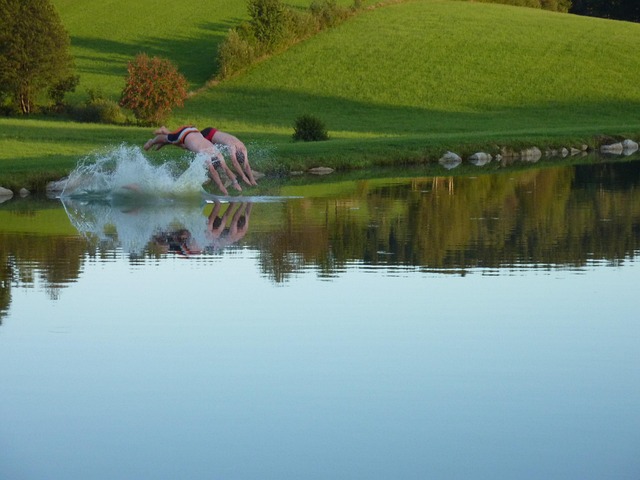
Creating serene and tranquil environments within homes for sale—particularly those with spa-inspired features like cold plunge and sauna spaces—is an art that combines thoughtful design and an understanding of human physiology. In today’s fast-paced world, where stress levels are high, incorporating elements that foster quietude can significantly enhance the appeal of luxury properties in areas like Phoenix, known for its thriving wellness scene. This approach not only caters to buyers seeking relaxation but also aligns with the growing demand for ‘luxury recovery’ spaces.
Best practices for achieving silent environments involve a multi-faceted strategy. Acoustic design plays a pivotal role; optimizing room acoustics through strategic placement of materials like sound-absorbing panels and diffusers can dramatically reduce echo and reverberation, creating a calmer atmosphere. For instance, integrating these elements into wet areas like bathrooms featuring cold plunges or saunas can significantly enhance the overall sensory experience. Additionally, careful consideration of material choices is essential; natural, non-toxic materials with inherent sound-dampening properties, such as certain types of wood and plants, contribute to a healthier indoor environment while improving acoustic comfort.
Another crucial aspect is thermal comfort, particularly in spa settings. Incorporating advanced heating, ventilation, and air conditioning (HVAC) systems that maintain consistent temperatures year-round ensures optimal relaxation. In Phoenix’s climate, where summers are scorching, this may involve utilizing energy-efficient, smart thermostats to regulate temperature automatically, providing a comfortable environment for residents seeking relief from the heat. Furthermore, integrating spa features like cold plunges and saunas naturally into home design allows for seamless transitions between indoor and outdoor spaces, blurring the boundaries between interior and exterior tranquility. For example, a home with a spacious backyard featuring a sauna nestled among natural vegetation offers a serene retreat, enhancing the overall sense of peace and quietude.
To implement these practices successfully, builders and designers should collaborate closely with experts in acoustic engineering, HVAC systems, and sustainable design. By prioritizing silent environments, particularly in homes with dedicated recovery and spa features like those found in Phoenix luxury properties, developers can cater to a discerning market segment seeking not just a place to live but a sanctuary for mind, body, and spirit.
Creating Tranquil Spaces: Case Studies & Tips for Real Estate
In creating tranquil spaces within real estate, the design principles of Street-Quiet focus on enhancing serenity and well-being. One effective approach is incorporating natural elements and designing homes for sale that seamlessly blend indoor and outdoor living—a concept proven to reduce stress levels and promote relaxation. For instance, a case study in Phoenix, Arizona, showcased a luxury recovery home with a meticulously designed cold plunge and sauna space set amidst lush landscaping. This integration of spa features not only provides homeowners with a serene retreat but also fosters a deep connection with nature.
The impact of such design choices is supported by research indicating that access to green spaces within homes can significantly lower blood pressure and improve overall mental health. By prioritizing tranquility, developers can create spaces that cater to the growing demand for phoenix luxury recovery options. Incorporating natural elements like water features and strategic landscaping not only enhances aesthetics but also contributes to a deeper sense of calm. For example, a home with a quiet courtyard featuring a small pond and strategically placed plants can offer residents a peaceful sanctuary within their own abode.
Practical tips for implementing these principles include designing open floor plans that encourage natural light and ventilation, selecting neutral color palettes to create a sense of spaciousness, and integrating greenery through indoor gardens or living walls. Additionally, incorporating sensory elements such as soft lighting, soothing sounds, and aromatic scents can further elevate the tranquil atmosphere. By thoughtfully combining design aesthetics with an emphasis on well-being, real estate professionals can offer homes that not only appeal to buyers seeking relaxation but also contribute to their overall mental and physical health.