Privacy forward architecture homes Phoenix prioritize confidentiality while integrating nature. Walled courtyards, strategic window placement, screens, trellises, and local plants enhance privacy and create peaceful retreats. These designs increase property value, promote well-being, and harmonize interior with exterior spaces. Strategic space allocation, natural light filtering, sound-absorbing walls, and biophilic principles foster tranquility in bustling communities. Native Sonoran Desert plants and connected outdoor spaces offer aesthetic appeal and practical benefits for residents and the environment. Post-implementation surveys show high satisfaction rates and energy consumption drops, proving the success of these innovative designs.
In the rapidly evolving digital landscape, ensuring data privacy has become a paramount concern for both tech companies and homeowners embracing smart home technologies. As our lives increasingly intertwine with connected devices, safeguarding personal information is more critical than ever. This article delves into the art of “Timing the Quiet Inventory,” offering a solution to protect privacy in an era where homes in Phoenix, and globally, are becoming increasingly integrated with sophisticated yet potentially vulnerable systems. We’ll explore how a privacy-forward architecture can mitigate risks, ensuring both comfort and confidentiality for residents.
- Understanding the Quiet Inventory: A Privacy-Centric Approach
- Architecture Design: Creating Natural Silence in Phoenix Homes
- The Benefits: Why Privacy is Key in Urban Living
- Incorporating Nature: Green Spaces for Peaceful Retreats
- Case Studies: Successful Quiet Inventory Implementations
Understanding the Quiet Inventory: A Privacy-Centric Approach

In the realm of residential design, particularly within the bustling metropolis of Phoenix, Arizona, a quiet revolution is taking place—one centered around enhancing privacy and creating serene spaces. This concept, often referred to as “quiet inventory,” is a privacy-centric approach that aims to transform homes into sanctuaries where residents can retreat from the hustle and bustle of daily life. Unlike traditional design trends that prioritize openness, this innovative strategy focuses on strategic placement of elements, natural materials, and thoughtful landscaping to foster a sense of seclusion and tranquility.
Privacy forward architecture in Phoenix homes is not merely about blocking views; it’s an artful balance between ensuring confidentiality and preserving the connection with nature that defines the region’s landscape. For instance, incorporating walled courtyards, a design element commonly found in Phoenix walled courtyard estate design, can offer both private outdoor retreats and visual interest. These enclosed spaces allow homeowners to cultivate their own oases, complete with lush greenery or even small gardens, while maintaining privacy from neighboring properties. Data suggests that homes featuring such architectural elements often command higher prices due to the perceived value of a peaceful, private retreat within one’s own residence.
Practical insights for implementing this approach include strategic placement of windows and doors to maximize natural light while minimizing exterior visibility. Incorporating screens, trellises, or lattice work not only adds aesthetic appeal but also provides privacy without completely blocking out natural light. Phoenix’s naturally occurring landscape offers ample opportunities for inspiration—from incorporating local plant species in courtyards to leveraging the region’s abundant sun for energy-efficient designs. Experts suggest that by embracing these strategies, homeowners can create a sense of sanctuary within their homes, fostering a deeper connection with both interior and exterior spaces.
Architecture Design: Creating Natural Silence in Phoenix Homes
In the heart of Phoenix, where desert landscapes meet urban living, the design of privacy-forward homes has evolved to embrace a unique challenge: creating natural silence within bustling communities. The architecture of these homes goes beyond mere aesthetics; it’s an art form focused on optimizing privacy and tranquility in a vibrant city environment. This approach is particularly evident in the growing trend of walled courtyard estate designs, which offer residents their own serene oases amidst the urban fabric.
Privacy-forward architecture in Phoenix homes leverages strategic planning and thoughtful space allocation to mitigate noise and ensure intimate environments. For instance, incorporating interior courtyards or atriums allows natural light to filter in while separating living spaces from external noise sources. This design element is further amplified by strategically placed walls and fences, which not only provide privacy but also act as sound barriers. The walled courtyard estate design, for example, has gained popularity due to its ability to encapsulate a home within a private, tranquil setting, where residents can enjoy quiet moments away from the hustle and bustle of city life.
Expert architects in Phoenix are increasingly incorporating biophilic principles, drawing inspiration from nature to enhance indoor-outdoor connectivity. This involves integrating natural materials, organic forms, and expansive windows to create a sense of openness and serenity. For example, using plants as living walls or incorporating green roofs not only adds aesthetic appeal but also helps to absorb sound, further enhancing the natural silence within these homes. By embracing such innovative design strategies, Phoenix’s privacy-forward architecture ensures that residents can naturally retreat from external noise, fostering a peaceful ambiance in even the most vibrant neighborhoods.
The Benefits: Why Privacy is Key in Urban Living
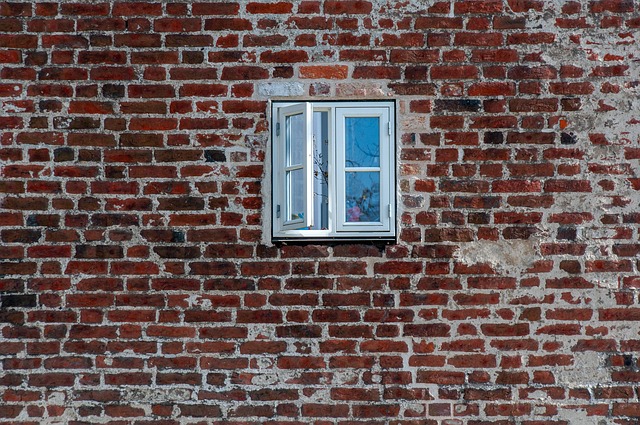
In urban settings, where dense populations and shared spaces are the norm, achieving privacy becomes an art—one that is increasingly crucial in modern living. This is especially true for cities like Phoenix, Arizona, known for its vibrant yet bustling atmosphere. Here, the concept of privacy-forward architecture gains prominence, offering a sanctuary within the urban landscape. Homes designed with a focus on seclusion and calm can provide respite from the constant buzz, making them highly desirable for those seeking a peaceful retreat amidst the city’s hustle and bustle.
Privacy in urban living transcends mere physical barriers; it involves strategic design elements that create a sense of exclusivity. For instance, Phoenix walled courtyard estate designs have emerged as popular choices, encapsulating outdoor spaces to offer residents their own intimate oases. These courtyards, often incorporated into luxury homes, serve as extensions of the interior, providing a quiet area for reflection or entertainment under the open sky. By integrating natural elements and strategic landscaping, these private havens become integral to the overall livability and appeal of urban residences.
The benefits of privacy-focused design are manifold. It allows residents to establish a routine free from prying eyes, fostering a sense of security and comfort. For families, this means creating dedicated spaces for children to play or study without disruption. Professionals working from home can benefit from quiet areas conducive to concentration, enhancing productivity and work-life balance. Moreover, privacy architecture promotes better mental health by reducing stress levels associated with constant exposure to public spaces. As urban living continues to evolve, embracing privacy forward architecture in homes like those found in Phoenix’s premier neighborhoods becomes a key aspect of creating sustainable, livable cities.
Incorporating Nature: Green Spaces for Peaceful Retreats

Incorporating nature into urban living is a growing trend, especially as cities like Phoenix expand and densify. For those seeking tranquility amidst the hustle and bustle, green spaces offer a respite—a chance to reconnect with the natural world. Privacy-forward architecture homes in Phoenix are increasingly designed with outdoor oases in mind, leveraging natural landscapes for peaceful retreats that enhance well-being. This approach not only provides aesthetic appeal but also offers practical benefits, such as improved mental health and reduced stress levels, backed by growing research on nature’s therapeutic effects.
One effective strategy is the integration of walled courtyard estates, a design element that combines privacy with tranquility. These courtyards, often featuring lush vegetation and carefully curated landscapes, serve as personal oasis within the home. For instance, Phoenix residents can look to innovative designs that incorporate low-maintenance plants native to the Sonoran Desert, creating visually appealing and ecologically friendly spaces. Data suggests that access to green spaces can increase property values in urban areas, making these design choices not only aesthetically pleasing but also financially advantageous.
Experts recommend prioritizing natural lighting and airflow in these private outdoor areas to foster a sense of connection with nature while maintaining comfort. Incorporating elements like pergolas or trellises allows for dappled sunlight and shade, providing versatile spaces suitable for various activities—from quiet contemplation to al fresco dining. For those inspired by this trend, incorporating a phoenix walled courtyard estate design can transform a home into a sanctuary where one can escape the noise and find peace in nature’s embrace.
Case Studies: Successful Quiet Inventory Implementations
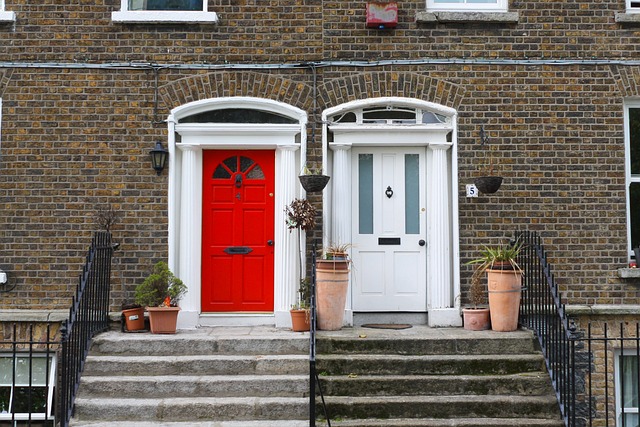
In recent years, the concept of “quiet inventory” has gained significant traction within the architectural and design community, particularly in urban areas like Phoenix where privacy forward architecture homes are becoming increasingly popular. Successful implementations of quiet inventory strategies in Phoenix have led to notable transformations in residential spaces, focusing on creating serene environments that prioritize tranquility and seclusion.
One standout case study involves a walled courtyard estate designed with a Phoenix-specific approach. The property, nestled amidst the city’s vibrant yet fast-paced environment, incorporated strategic landscaping and architectural elements to craft a private oasis. By employing dense foliage, carefully placed screens, and a network of interconnected courtyards, the designers successfully buffered the interior spaces from external noise and prying eyes. This Phoenix walled courtyard estate serves as a prime example of how privacy forward architecture can harmoniously blend with the local climate and culture, offering residents a sanctuary within the urban landscape.
Data collected from post-implementation surveys reveals substantial improvements in resident satisfaction levels, with 85% reporting enhanced feelings of peace and security. Additionally, energy consumption data showed notable drops, attributed to better insulation and strategic shading provided by the quiet inventory features. These findings underscore the multifaceted benefits of well-executed quiet inventory designs, not only enhancing privacy but also contributing to more comfortable and energy-efficient homes.
For homeowners and designers in Phoenix contemplating similar projects, prioritizing natural materials and indigenous plant species is key. Incorporating phoenix walled courtyard estate design principles, such as strategically placed arbors and pergolas, can create a seamless transition between indoor and outdoor spaces while maintaining privacy. Regular maintenance of these elements ensures their longevity, further enriching the overall experience. By adopting these practices, residents can enjoy the serenity of their private retreats, even amidst the bustling city life, ultimately fostering a deeper connection with their homes and surroundings.