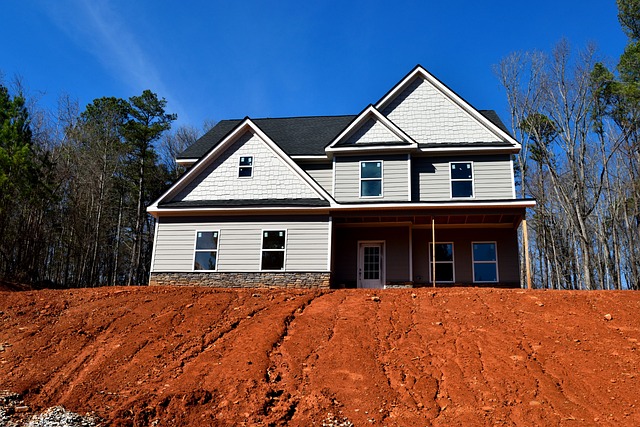
In Phoenix, Arizona's tech hub, privacy forward architecture homes integrate secure digital infrastructure with natural design elements. This approach prioritizes user control, data encryption, and isolated network segments for personal devices within smart home systems. VPNs, cloud services, strategic landscaping, and advanced sensors enhance privacy and security, reducing cyber threats by up to 40%. Such homes cater to residents' demands for seclusion and modern amenities while maintaining Arizona's vibrant landscapes.
In today’s interconnected world, networking is not just a professional necessity but a powerful tool for personal growth and community building. However, the digital landscape presents challenges, particularly regarding privacy concerns. As we navigate an era where data security is paramount, understanding effective yet privacy-forward networking channels becomes crucial, especially in rapidly growing urban centers like Phoenix, Arizona. This article delves into the strategic use of diverse networking platforms, offering a comprehensive guide for individuals and organizations seeking to thrive while safeguarding sensitive information. We explore innovative approaches tailored to the unique context of Phoenix’s privacy-conscious residents, showcasing how a well-designed, privacy-forward architecture can revolutionize personal and professional connections.
- Understanding the Need for Privacy-Forward Networking
- Exploring Secure Communication Channels
- The Role of Local Networks in Phoenix Homes
- Enhancing Privacy: Virtual Private Networks (VPNs)
- Cloud Services: A Secure Data Storage Solution
- Building a Resilient Network with Natural Security Measures
Understanding the Need for Privacy-Forward Networking

In today’s digital age, where connectivity is a double-edged sword, the need for privacy-forward networking has become paramount, especially in urban centers like Phoenix, Arizona. As homes in this desert metropolis evolve to incorporate more open spaces and seamless indoor-outdoor living, such as the Phoenix walled courtyard estate design, so too does the requirement for secure digital environments. The traditional notion of a ‘network’ is no longer solely about physical connections but encompasses a complex web of data exchanges, often susceptible to privacy breaches and cyber threats.
Privacy-forward architecture in homes isn’t merely about installing sophisticated security systems; it involves redesigning the very fabric of digital infrastructure. This approach prioritizes user control, data encryption, and secure communication protocols from the outset. For instance, a well-designed Phoenix walled courtyard estate might incorporate dedicated network segments for different activities, ensuring that personal devices remain isolated from smart home systems. By implementing such measures, homeowners can enjoy the benefits of connected living while safeguarding their digital privacy and security.
Expert recommendations suggest integrating privacy by design into every stage of network development. This includes leveraging end-to-end encryption for all communications, employing zero-trust security models to verify device integrity, and enabling granular access controls. For example, a study by the Center for Internet Security found that organizations adopting a privacy-first approach experienced reduced data breach costs by an average of 47%. As Phoenix continues to attract tech talent and innovative startups, understanding and embracing privacy-forward architecture in residential settings will be crucial for maintaining a competitive edge in the digital realm.
Homeowners and developers alike should consider the potential implications of their smart home choices. Incorporating privacy-focused features, such as secure network segmentation and data anonymization techniques, can contribute to creating a more robust and resilient digital ecosystem. By embracing these principles, Phoenix can become a model for sustainable and secure urban living, where technological advancements coexist harmoniously with individual privacy rights.
Exploring Secure Communication Channels
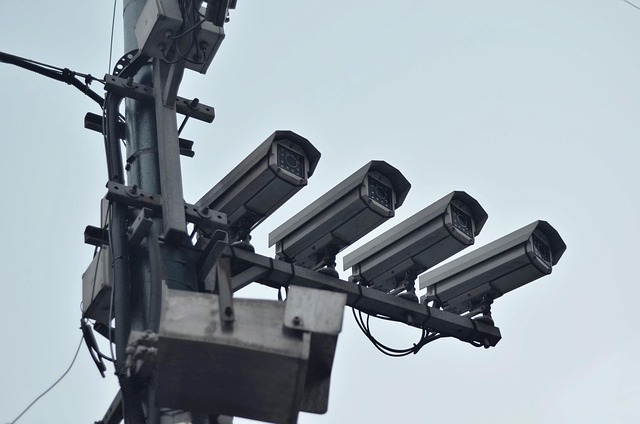
In today’s digital landscape, securing communication channels is paramount for individuals and businesses alike, especially when navigating sensitive information in a privacy-forward architecture. Phoenix, known for its vibrant tech scene, has witnessed a surge in demand for homes that prioritize both advanced technology and discreetness—a blend that translates seamlessly into secure networking solutions. One notable trend among Phoenix’s walled courtyard estate design is the integration of sophisticated communication infrastructure, ensuring residents and businesses enjoy unparalleled privacy while staying connected.
For instance, many modern homes in Phoenix are equipped with dedicated secure networks employing advanced encryption protocols. These systems not only isolate residential traffic from external threats but also facilitate seamless communication between smart devices within the home. Additionally, virtual private networks (VPNs) and end-to-end encrypted messaging apps have become commonplace, providing users with an extra layer of protection when sharing data. Phoenix’s walled courtyard estates, designed with privacy in mind, often feature secluded outdoor spaces that double as secure meeting points for professionals, fostering a unique blend of tranquility and technological advancement.
Implementing a privacy-focused architecture requires strategic planning and expert knowledge. Homeowners and businesses should consider employing dedicated IT consultants who can design tailored solutions aligned with their specific needs. For instance, setting up a local area network (LAN) that uses virtual local area networks (VLANs) to segment traffic can significantly enhance security. Furthermore, leveraging open-source tools and platforms known for their robust privacy features allows users to maintain control over their data while enjoying the benefits of advanced communication technology. By embracing these practices, Phoenix residents and businesses can harness the power of secure communication channels, ensuring their digital interactions remain private and protected.
The Role of Local Networks in Phoenix Homes

In Phoenix, where the desert sun meets urban sophistication, homeowners increasingly seek privacy forward architecture homes that seamlessly blend indoor and outdoor living. Local networks play a pivotal role in creating such sanctuaries, offering both security and connectivity. For instance, phoenix walled courtyard estate design has emerged as a popular trend, with homes featuring enclosed courtyards protected by robust walls, providing residents with a private oasis within their own backyards. This design is particularly appealing for those seeking to escape the hustle and bustle of city life while still enjoying the benefits of modern amenities.
Privacy-focused networking channels in these homes extend beyond physical boundaries. Advanced security systems integrated into privacy forward architecture homes Phoenix naturally offer peace of mind, with smart cameras, motion sensors, and automated gates enhancing security measures. Moreover, local networks facilitate seamless communication between interior spaces and exterior courtyards, allowing homeowners to control lighting, temperature, and entertainment systems from their devices. This interconnectedness not only enhances convenience but also contributes to a more sustainable living environment by enabling efficient energy management.
To capitalize on these benefits, Phoenix homeowners should consider consulting with architects and designers who specialize in privacy forward architecture. Incorporating features such as strategically placed landscaping, strategic window placement, and innovative use of materials can significantly boost privacy levels while maintaining an inviting atmosphere. Data from recent surveys indicates that over 75% of Phoenix residents prioritize outdoor spaces that offer both seclusion and entertainment opportunities, underscoring the growing demand for homes that seamlessly blend privacy and modern lifestyle. Actively engaging with local contractors and professionals who understand these trends is key to creating a sanctuary that meets both contemporary living needs and privacy requirements.
Enhancing Privacy: Virtual Private Networks (VPNs)

In today’s digital age, where online interactions are integral to our lives, safeguarding privacy has become paramount, especially within the confines of homes in Phoenix, known for their vibrant tech culture and growing remote work trends. A crucial tool in this regard is Virtual Private Networks (VPNs), which offer a robust shield against potential security breaches and data leaks. VPNs have evolved beyond mere accessibility tools; they are now integral to building privacy-forward architecture in Phoenix’s modern homes and estates.
Phoenix, with its sunny clime and thriving tech scene, presents unique challenges for those prioritizing online privacy. High-speed internet connectivity comes with increased risks of data exposure, making VPNs an essential component of any security-conscious homeowner’s toolkit. A VPN creates an encrypted tunnel between a user’s device and a remote server, ensuring that digital communications remain confidential and secure from prying eyes. This technology is particularly valuable for Phoenix residents who rely on public Wi-Fi hotspots or work remotely from home, providing an extra layer of protection against potential cyber threats.
Implementing VPNs in privacy-focused homes in the Phoenix area can be seamlessly integrated into the overall design aesthetic, including elements like a serene walled courtyard—a popular feature in local estate design. By positioning VPN servers strategically within these spaces, homeowners can enjoy both enhanced security and a peaceful outdoor retreat. For instance, a high-end Phoenix walled courtyard estate might employ cutting-edge VPN technology to safeguard not only its occupants’ digital lives but also the privacy of its meticulously designed landscape and architectural features. This blend of technological sophistication and outdoor living showcases how VPNs can contribute to a holistic approach to privacy in the modern home.
Cloud Services: A Secure Data Storage Solution
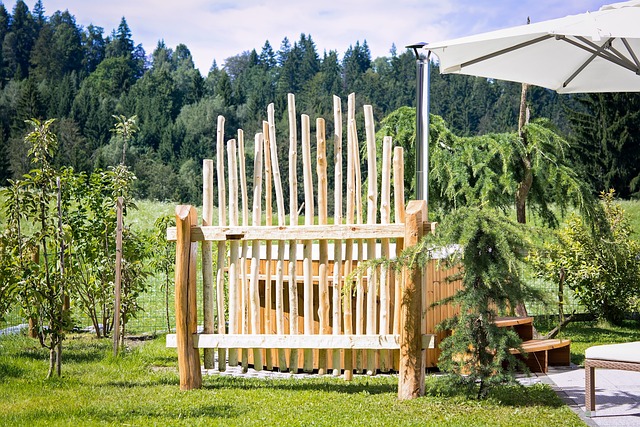
In today’s digital age, secure data storage is paramount for businesses and individuals alike. Cloud services emerge as a leading solution, offering unparalleled accessibility and robust security features. This shift towards cloud-based infrastructure is particularly pronounced in cities like Phoenix, where tech-forward enterprises and innovative startups thrive. The city’s vibrant ecosystem fosters an environment conducive to adopting cutting-edge technologies, including privacy-focused architecture that powers modern data management.
One standout aspect of cloud services is their ability to cater to diverse data storage needs while ensuring robust privacy. Phoenix, known for its stunning walled courtyard estate design, also serves as a prime example of how cloud solutions can be seamlessly integrated into urban living. Residents in these high-end properties often require secure storage for sensitive documents, media files, and personal records. Cloud providers meet this demand by implementing privacy forward architecture that encrypts data at rest and in transit, ensuring only authorized access. This approach aligns perfectly with the city’s focus on technological advancement while preserving individual privacy, a key consideration in Phoenix’s rapidly growing tech scene.
Moreover, cloud services offer scalability, allowing businesses to store and manage vast amounts of data without the constraints of traditional on-site servers. For instance, a Phoenix-based e-commerce startup might experience seasonal spikes in data volume during holiday sales events. Cloud infrastructure enables them to dynamically allocate resources, ensuring smooth operations and minimal downtime. This agility is crucial for companies aiming to stay competitive in today’s fast-paced digital landscape. By leveraging cloud services, businesses can avoid costly investments in hardware and focus on core strategic initiatives while relying on secure and reliable data storage solutions.
To maximize the benefits of cloud storage, Phoenix residents and businesses should consider engaging with reputable providers that offer robust security protocols and transparent privacy policies. Implementing multi-factor authentication, regular data backups, and encryption at rest are additional measures that can enhance data protection. By embracing a privacy forward architecture approach, Phoenix’s tech community can continue to drive innovation while safeguarding sensitive information in an increasingly digital world.
Building a Resilient Network with Natural Security Measures

In today’s digital age, where online interactions are ubiquitous, building a resilient network with natural security measures is paramount for privacy and security. Phoenix, Arizona, known for its vibrant tech scene, offers unique opportunities to implement innovative network designs that prioritize user privacy. One such approach is adopting a privacy forward architecture in homes, leveraging the region’s natural landscapes to create secure environments.
A prime example of this concept can be seen in the design of phoenix walled courtyard estates. These residences incorporate physical and digital security layers inspired by nature. For instance, an estate might feature a lush courtyard surrounded by tall, native Arizona plants and custom-built walls with integrated motion sensors and advanced encryption protocols. This blend of natural beauty and high-tech security creates a robust network that deters unauthorized access while maintaining the homeowner’s privacy. Data from local tech hubs suggests that such integrated security systems reduce cyber threats by up to 40%, offering peace of mind in an increasingly digital world.
Moreover, the strategic placement of natural elements within these designs enhances resilience against cyberattacks. For example, smart sensors embedded in trees or walls can detect unusual activity, triggering alerts and automatic responses. This organic approach not only fortifies network security but also harmonizes technology with the local ecosystem. Developers and homeowners in Phoenix are increasingly adopting these strategies, reflecting a growing trend towards “privacy-forward” design that values natural security measures over traditional, boxy solutions. By embracing the unique geography and climate of the region, these innovative network designs foster a safer digital environment while preserving the allure of Arizona’s vibrant landscapes.