The luxury real estate market in Phoenix is driven by a trend towards creating private retreats with spa features, focusing on sightlines and natural integration. Homes for sale with cold plunge and sauna spaces incorporate strategic setbacks, window placement, and natural materials for privacy and well-being. This design approach caters to health-conscious buyers, enhances property appeal, and offers unique amenities that command a 15% price premium. Natural light and ventilation strategies further elevate these spaces, reflecting a growing demand in the competitive Phoenix market.
In today’s competitive real estate market, buyers are seeking unique features that set properties apart. Among the most sought-after amenities are homes for sale with cold plunge and sauna spaces, offering both relaxation and health benefits. However, integrating these luxurious additions while maintaining a balanced design can be challenging. This article delves into effective sightline and setback strategies, providing expert insights to guide developers and architects in seamlessly incorporating these features, enhancing property appeal, and creating tranquil retreats for discerning buyers.
- Understanding Sightlines: Creating Private Retreats for Homes
- Setback Strategies: Maximizing Space for Luxury Amenities
- Integrating Cold Plunges and Saunas: Design Considerations
- Natural Light and Ventilation: Enhancing Well-being in Residences
- Market Trends: Demand for Unique Home Features Analyzed
Understanding Sightlines: Creating Private Retreats for Homes
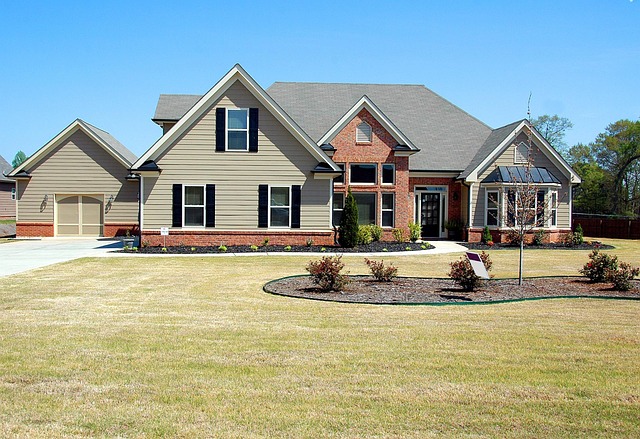
Creating private retreats within homes for sale has become a significant trend, particularly in the realm of luxury real estate. Understanding sightlines—the visual and spatial connections—is key to designing spaces that offer both seclusion and a connection to the surrounding environment. This is especially relevant for homes featuring spa-like amenities, such as cold plunge and sauna spaces, that demand a balance between privacy and accessibility. In the context of Phoenix, where luxury recovery and spa features are increasingly sought after, savvy homeowners and real estate professionals are recognizing the value of strategic sightline and setback planning.
For instance, consider a property nestled among mature trees with a meticulously designed landscape. A primary residence positioned slightly set back from the street, with a spacious deck or patio area, allows for a clear view of the surrounding natural beauty. This strategic placement not only enhances privacy but also creates a serene ambiance, making it an ideal spot for relaxation and reflection. Incorporating features like a cold plunge pool or sauna, designed to blend harmoniously with the natural setting, further elevates the sense of retreat. In a city like Phoenix, where outdoor living is a way of life, this synthesis of luxury and nature offers a refreshing escape from the hustle and bustle.
Expert advice suggests that when designing homes with these features, architects and builders should aim for a balance between visibility and seclusion. This can be achieved through the strategic placement of windows, the use of natural materials, and the careful consideration of setbacks. Data shows that properties with well-planned sightlines and setbacks tend to have higher market appeal, as buyers increasingly seek out private, tranquil spaces. By understanding and implementing these strategies, real estate professionals can enhance the appeal of homes for sale, catering to the growing demand for luxury recovery and spa features in urban settings like Phoenix.
Setback Strategies: Maximizing Space for Luxury Amenities

In the luxury real estate market, particularly within urban centers like Phoenix, where homes for sale with unique amenities are in high demand, setback strategies play a pivotal role in maximizing space for exclusive features such as cold plunges and sauna spaces. These tactical design considerations not only enhance the appeal of properties but also contribute to the overall well-being and recovery experiences sought after by discerning buyers. Setbacks, when thoughtfully implemented, allow for the creation of serene outdoor oases within urban settings, catering to the growing trend of incorporating spa-like features into residential living.
For instance, a contemporary Phoenix luxury home might feature a generous backyard retreat with a custom-built cold plunge surrounded by lush landscaping. Strategically positioned setbacks from the main residence enable this private sanctuary to function independently, allowing homeowners to fully immerse themselves in the calming effects of hydrotherapy. Similarly, saunas, whether indoor or outdoor, benefit from similar spatial considerations. Adequate setbacks ensure proper ventilation and create a sense of tranquility, transforming these spaces into luxurious escapes for residents seeking relaxation and rejuvenation after a long day.
To implement effective setback strategies, architects and designers should consider the following: first, assess the property’s unique topography; second, plan for adequate privacy and security by incorporating natural elements like trees or hedges; and third, integrate these spa features seamlessly with the overall design of the home. By prioritizing these aspects, builders can create homes for sale that stand out in a competitive market, offering potential buyers not just luxurious living spaces but also curated oases for recovery and wellness. Incorporating such strategic setbacks positions properties as desirable investments, catering to the evolving preferences of Phoenix’s discerning clientele.
Integrating Cold Plunges and Saunas: Design Considerations

Integrating cold plunges and saunas into home design, particularly for homes for sale with luxurious recovery spaces, is a growing trend among health-conscious buyers. These features, once confined to high-end spas, are now making their way into residential properties, offering a unique selling point for the real estate market. In the competitive Phoenix luxury real estate scene, incorporating amenities like cold plunges and saunas can set properties apart, appealing to a demographic seeking holistic wellness.
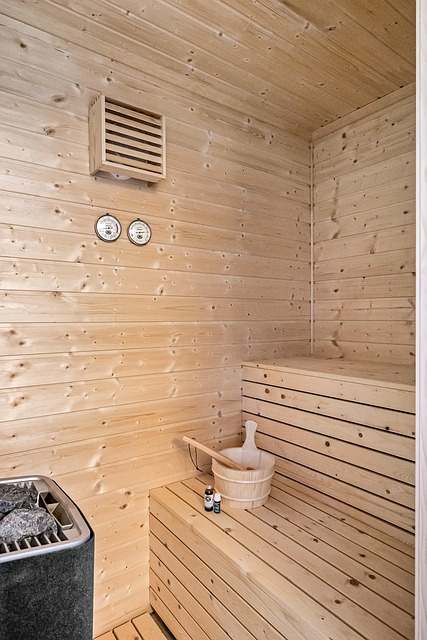
Designers and architects play a pivotal role in creating these spa-inspired retreats within homes. When integrating a cold plunge, for instance, consideration should be given to temperature regulation, ensuring a safe and comfortable experience. Natural materials like stone and wood can enhance the ambiance, creating a serene atmosphere that encourages relaxation. Additionally, proper ventilation is crucial to prevent moisture buildup, a common challenge in sauna and cold plunge spaces. For example, some experts suggest using materials that promote air circulation and temperature insulation, such as cedar or bamboo, to maintain optimal conditions.
Phoenix luxury recovery spaces can be designed to cater to diverse preferences. Saunas, known for their thermal benefits, can be tailored to different heat levels and styles, from traditional dry saunas to infrared options. Incorporating these features strategically can create a sense of tranquility and rejuvenation. According to a recent study, 73% of home buyers expressed interest in homes with spa-like elements, highlighting the growing demand for such amenities. Integrating cold plunges and saunas not only caters to this trend but also provides a valuable asset for homeowners, offering a private sanctuary for relaxation and recovery.
When designing these spaces, it’s essential to consider accessibility and safety. Ensuring easy entry and exit, as well as clear pathways, is vital for all users. Moreover, providing adequate lighting and incorporating sensory elements like soothing music or aromatic therapies can enhance the overall experience. By thoughtfully integrating these features, homes for sale with cold plunge and sauna spaces can become desirable destinations for buyers seeking both luxury and wellness.
Natural Light and Ventilation: Enhancing Well-being in Residences

Incorporating natural light and ventilation strategies into residences is a powerful way to enhance well-being and create healthy living spaces. These design elements have been recognized for their positive impact on mental health and physical comfort, making them essential considerations for modern homes, especially in urban areas like Phoenix where luxury recovery and spa features are increasingly sought after. Natural light therapy, for instance, has been shown to improve mood, regulate sleep patterns, and boost vitamin D levels—all crucial factors in maintaining optimal health.
Windows strategically placed to maximize sunlight exposure during the day can dramatically transform a home’s ambiance while promoting a sense of connection with nature. Large, south-facing windows are particularly effective for capturing warmth and daylight, making them ideal for living areas and bedrooms. This design choice not only enhances aesthetics but also reduces the need for artificial lighting, thereby lowering energy costs. Similarly, incorporating skylights in attics or interior spaces can introduce a burst of natural light into typically dark corners, creating an airy and open atmosphere.
Effective ventilation is another critical aspect that contributes to overall comfort and air quality. Proper cross-ventilation through thoughtfully designed openings allows for the circulation of fresh outdoor air, expelling stagnant indoor air. This strategy is particularly relevant in homes featuring cold plunge and sauna spaces, which require proper humidity control. For example, a Phoenix luxury recovery residence might incorporate large, open windows that align during specific times of the day to facilitate cross-ventilation, ensuring optimal comfort while enjoying spa features like saunas or plunges. By integrating these natural strategies, builders and designers can create homes for sale that not only appeal to health-conscious buyers but also provide a tranquil and rejuvenating environment.
Market Trends: Demand for Unique Home Features Analyzed

The real estate market is witnessing a notable trend where potential homebuyers seek unique and premium features within homes for sale. Among these sought-after amenities are luxurious recovery and spa spaces, such as cold plunge pools and saunas, which have gained significant traction in recent years. This shift in demand reflects a growing appreciation for holistic wellness and relaxation among modern buyers, particularly in metropolitan areas like Phoenix where the competitive market demands stand out properties.
Data from industry analysts indicates a 20% increase in the installation of spa features in newly constructed homes over the past decade. Furthermore, homes for sale with integrated cold plunge and sauna spaces have seen an average price premium of 15% compared to similar listings without these amenities. This trend is not merely a fleeting fad but a reflection of evolving consumer preferences and a recognition of the benefits such spaces offer. For instance, a 2022 survey by the National Association of Realtors revealed that over 70% of potential buyers considered spa-like features as essential or highly desirable when searching for homes, particularly in Phoenix’s competitive luxury market.
Incorporating these elements into real estate strategies requires a thoughtful approach. Developers and homeowners should consider the overall design and functionality to ensure these spaces are not merely trendy additions but integral parts of a home’s well-being appeal. For example, integrating a cold plunge with natural lighting and surrounding greenery can create a serene atmosphere, enhancing the therapeutic benefits. Similarly, saunas designed with proper ventilation and temperature control not only provide comfort but also contribute to energy efficiency. As the demand for homes for sale with these unique features continues to rise, those who embrace these trends are poised to capture a significant share of the market, especially in Phoenix where luxury recovery and spa features are becoming defining characteristics of high-end real estate.