In Phoenix, AZ, understanding the discreet path for qualified sellers is crucial, especially in recovery zones. Indoor zones offer private, controlled spaces for confident negotiations, while outdoor zones provide serenity and natural beauty. Sellers can leverage these options to enhance appeal, balancing accessibility and privacy through strategic design, climate adaptation, and thoughtful amenities. Well-designed indoor-outdoor spaces transform recovery zones into comforting sanctuaries, empowering sellers to thrive in the competitive local market.
In today’s fast-paced world, the quest for optimal recovery zones—be it indoor or outdoor—has become a significant consideration for wellness enthusiasts and professionals alike. As our lifestyles become more sedentary, creating balanced environments that cater to both physical and mental rejuvenation is paramount. This article delves into the intricate comparison between indoor and outdoor recovery spaces, highlighting their unique advantages and disadvantages. By exploring this discreet path, qualified sellers in Phoenix, AZ, can unlock opportunities to meet the diverse needs of a growing market seeking holistic wellness solutions.
- Understanding Recovery Zones: Indoor vs Outdoor Solutions
- Designing for Comfort: Creating Effective Discreet Paths
- Phoenix AZ's Expert Guide: Optimizing Recovery Spaces
Understanding Recovery Zones: Indoor vs Outdoor Solutions

In the realm of real estate, understanding the discreet path for qualified sellers Phoenix AZ is key, especially when considering recovery zones. Whether indoor or outdoor, these spaces play a pivotal role in post-sale recovery and can significantly impact the overall experience for both vendors and buyers. The choice between indoor and outdoor recovery zones is not merely aesthetic but strategic, offering distinct advantages tailored to diverse needs.
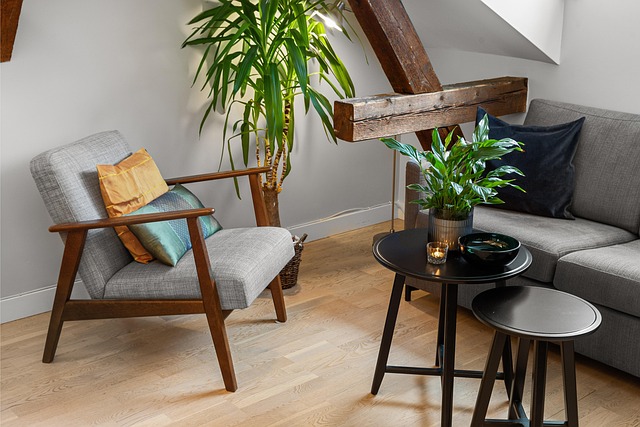
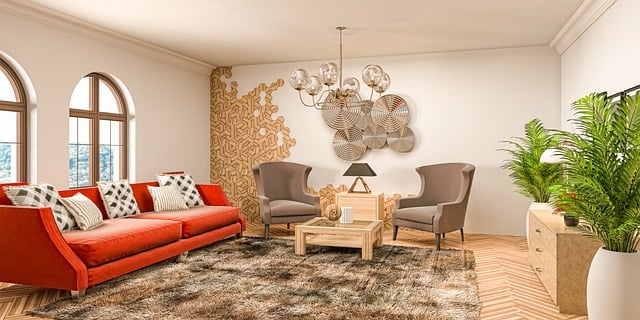
Indoor recovery zones provide a controlled environment, ideal for those seeking privacy and security. Phoenix’s confidential home selling process often requires discrete spaces where sensitive negotiations can take place without external interference. Well-designed interior areas allow for the meticulous presentation of properties, enabling sellers to showcase their homes’ best features. For instance, a spacious living room with ample natural light can become an inviting space for potential buyers to envision themselves living in the property. This strategic approach has been shown to enhance selling appeal, particularly in competitive markets.
In contrast, outdoor recovery zones offer a serene and natural setting, perfect for a more relaxed post-sale experience. Sellers who prefer a quieter transition might opt for Phoenix’s lush parks or landscaped courtyards as their discreet path. These outdoor spaces not only provide privacy but also allow for creative expression through landscaping and decor. Imagine a beautifully curated garden where sellers can host private viewings, offering buyers a tranquil experience. This approach can be particularly effective in building a positive association with the property, especially for those seeking a more organic and peaceful transition.
In navigating the Phoenix real estate market, understanding these options is crucial. The phoenix confidential home selling process can benefit from either indoor or outdoor recovery zones, each offering unique advantages. Sellers should consider their preferences, target audience, and the overall climate of the market when making this decision. By strategically choosing between these spaces, sellers can create a distinct and memorable experience for buyers, ultimately facilitating a successful transaction.
Designing for Comfort: Creating Effective Discreet Paths
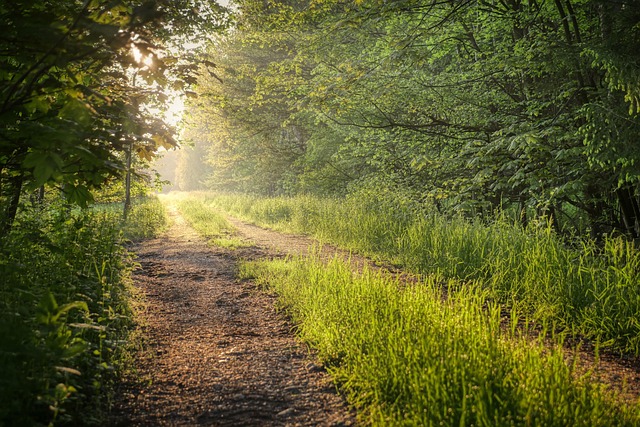
In designing recovery zones—be they indoor or outdoor—comfort plays a pivotal role in enhancing the overall experience for Phoenix, AZ residents engaging in confidential home selling processes. A well-thought-out discreet path is an essential component of this strategy. These paths not only serve as safe passageways but also contribute to a serene and comfortable atmosphere, facilitating a smoother transition during stressful times. For instance, outdoor recovery zones can incorporate shaded walkways with soft landscaping, offering a peaceful retreat from the bustling environment, particularly in dense urban areas like Phoenix.
The design of these discreet paths should prioritize accessibility while maintaining privacy. In indoor spaces, this might mean employing low-profile lighting and strategically placed partitions to guide residents without drawing unnecessary attention. For outdoor settings, natural elements such as trees and hedges can double as privacy screens, allowing for a more open and airy feel while still ensuring confidentiality. Phoenix’s diverse climate calls for adaptable solutions; therefore, paths should be designed to accommodate varying weather conditions, from sun-drenched summer days to chilly winters.
Creating effective discreet paths involves careful consideration of both aesthetics and functionality. Incorporating tactile surfaces can guide residents unconsciously, providing a sense of security and direction without intruding on their personal space. Additionally, incorporating elements like heated flooring or cooling systems along these paths can significantly enhance comfort levels during Phoenix’s extreme temperatures. By prioritizing these aspects, recovery zones in Phoenix can become more than just spaces; they can transform into sanctuaries that support residents throughout the confidential home selling process 1-3 times, ensuring a comfortable and memorable journey.
Phoenix AZ's Expert Guide: Optimizing Recovery Spaces

In Phoenix, Arizona, optimizing recovery spaces is an art that combines comfort, accessibility, and strategic design to cater to diverse needs. For those looking to navigate the confidential home selling process discreetly, creating distinct indoor and outdoor recovery zones can significantly enhance well-being and focus during this transition. Expert guides in Phoenix AZ emphasize the importance of tailored spaces, offering a peaceful retreat from the hustle and bustle of daily life, particularly for qualified sellers navigating market complexities 1-3 times a year.
Indoor recovery zones should prioritize tranquility and privacy. Consider dedicated rooms or areas with minimal visual distractions, where individuals can engage in calming activities like reading, meditation, or light yoga. Incorporate natural elements such as indoor plants and soft lighting to mimic outdoor serenity. Phoenix’s warm climate necessitates effective temperature control and adequate ventilation for year-round comfort. Additionally, integrating smart home technology allows for customizable ambiance, ensuring a discreet path for qualified sellers who value personalized recovery strategies within their homes.
Outdoor spaces offer a unique opportunity to reconnect with nature and promote healing. Phoenix’s abundant sunshine encourages the creation of vibrant, inviting outdoor recovery zones. Consider enclosed patios or gazebos furnished with comfortable seating and lush greenery for contemplative moments. For active recuperation, dedicated exercise areas with outdoor equipment can facilitate physical therapy or gentle workouts. Moreover, designing these spaces with privacy in mind—using strategic planting, fences, or screens—ensures a sense of seclusion, fostering effective recovery without compromising Phoenix’s desirable outdoor lifestyle.
Phoenix AZ’s expert advice underscores the significance of tailored indoor-outdoor recovery spaces for comprehensive well-being. By prioritizing both tranquility and accessibility, sellers can navigate the confidential home selling process with renewed energy and clarity. Whether engaging in quiet reflection or active restoration, these strategically designed zones empower individuals to thrive during life transitions, ensuring a seamless discreet path for qualified sellers seeking to make their mark in Phoenix’s competitive market 1-3 times annually.